
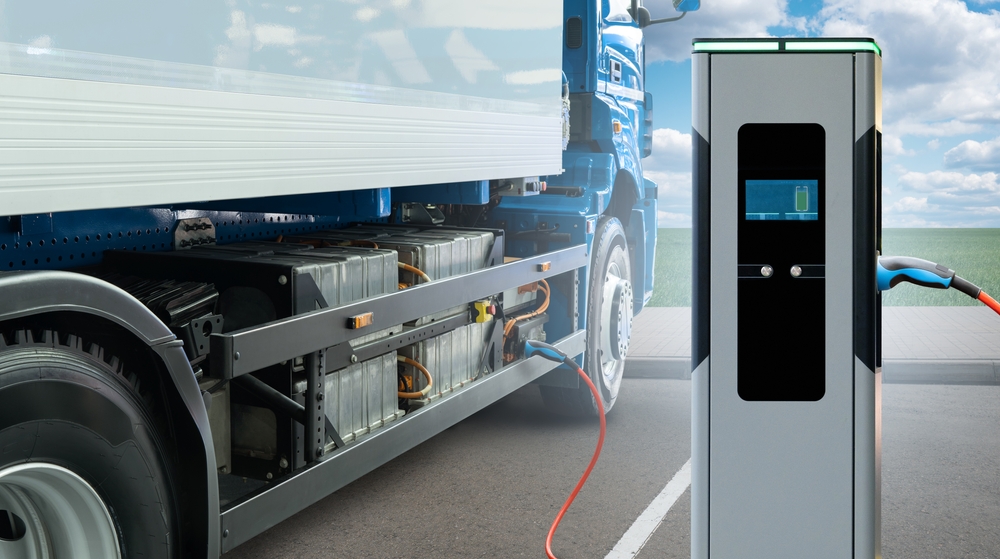
The combination of stringent regulations, fast-paced technological advancement, and growing focus on sustainable development is making zero-emission Heavy-Duty Vehicles (HDVs) increasingly attractive for operators Europe-wide. Thus, projects like NextETRUCK are aiming to boost these numbers with real-world pilot tests and research & development of digital and physical solutions.
Taking up an 18% share of all zero-emission vehicles sold, light and medium trucks are cementing their presence in the HDV market. Despite market contractions in the general HDV market, zero-emission medium trucks have been experiencing constant growth, with sales doubling both in share and absolute quantity over the past year. Let’s take a closer look at the current market situation of these medium-sized vehicles across Europe.
Who is leading the charge?
Countries such as the Netherlands have tripled the number of registered medium-duty zero-emission trucks, particularly also thanks to the well-developed public charging infrastructure, enabling country-wide feasibility of Battery Electric Vehicles (BEVs). Improving infrastructure and reduced charging times make BEVs particularly attractive for urban and regional routes, in which trips are between 200 and 300km, which is exactly the vehicle category that NextETRUCK is focusing on.
Germany’s DHL is a leading example of the potential synergies that can be created between European manufacturers and logistics operators. Thanks to a collaboration with Mercedes, they were able to roll out 300 fully electric trucks to deploy in their regional routes, contributing to lowering emissions in the wider Rhineland region. The faster charging times and the willingness to meet sustainability objectives allowed the development of a solution that is fiscally sound and environmentally fair.
What about the cost?
While the upfront cost of a battery electric vehicle is still higher than ICE trucks,things are changing quickly. With consolidating markets and technological advancements, the upfront cost of battery electric trucks is expected to fall by 35% in 2030, and the cost of batteries by between 15% and 35%, depending on the country. Better-performing and cheaper batteries are particularly benefiting medium-distance predictable routes, as they eliminate dwell cost and allow for the entirety of the trip to be performed without charging breaks.
Subsidies and publicly available charging infrastructure further contribute to the reduction of the total cost of ownership (TCO), which is quickly approaching that of a diesel-powered vehicle. The reduced greenhouse gas (GHG) emissions during operations are already more than compensated for the GHG footprint generated by battery manufacturing. To this, the declining carbon intensity of electricity production contributes to reinforcing both emissions and cost savings for electric vehicles.
The road is still long
Despite the booming number of truck charging infrastructure and the overall positive outlook for continuous growth of this market segment, the European Alternative Fuels Observatory (EAFO) reveals differences between European countries in terms of adoption of infrastructure and deployment of zero-emission (medium-duty) HDVs. While numbers are growing both in absolute terms and in share, countries such as Poland, Romania, and Portugal are still lagging when compared to the Netherlands, France, and Germany.
Looking into the future
Notwithstanding some regional inequalities in adoption and implementation of e-truck-friendly infrastructure, and TCOs for electric vehicles remaining higher than those of diesel trucks, policy and technological developments show a very promising way forward in the reduction of GHG emissions. Particularly for medium-duty trucks deployed in regional routes, the market potential is stronger than ever, which is why NextETRUCK is developing more efficient and sustainable medium-sized vehicles. Targeting peri-urban areas and regional transport, NextETRUCK is actively contributing to the transition, accelerating sustainable market replenishment and forwarding research in the field.